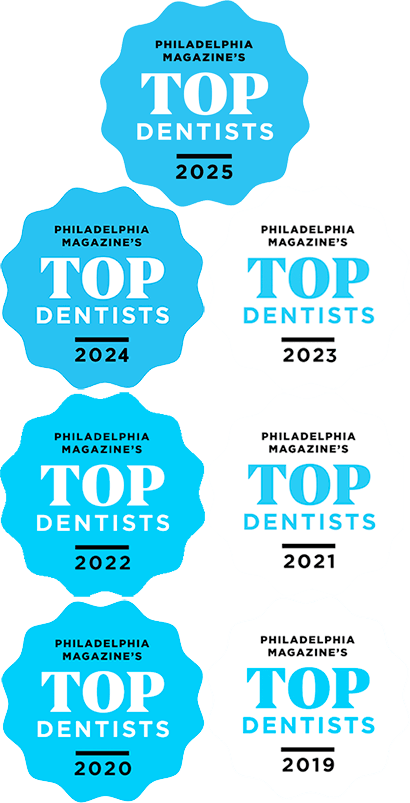


🎉We are excited and grateful to be awarded the prestigious “Philadelphia Magazine Top Dentists 2026” emblem once again. This is our 8th year celebrating but our excitement is always growing because we respect the elevated standards behind this award and our dental peers who decide the recipients. Congrats to Dr. Cronin & the entire team! 🎉🦷🎉🦷🎉🦷🎉🦷
#rittenhousesmiles #weloveourpatients #phillymagtopdentist2026
#phillymagtopdentist2025
#phillymagtopdentist2024
#phillymagtopdentist2023
#phillymagtopdentist2022 #phillymagtopdentist2021 #phillymagtopdentist2020 #phillymagtopdentist2019
#digitaldentistry #AAFE #teamlove #mydentalfamily #worrylesssmilemore #brushtwiceflossonce
#KorWhitening #hankthedentaldog

22 CommentsComment on Facebook
More foam does not mean more cleaning.
Foam is mainly produced by surfactants such as Sodium Lauryl Sulfate (SLS).
Their role is to spread toothpaste evenly and create that familiar “clean” sensation.
They do not mechanically remove dental biofilm.
Actual plaque removal depends on:
• Controlled mechanical movement of toothbrush bristles
• A full 2-minute brushing time
• Proper angulation along the gumline
• Mild abrasives that help disrupt biofilm and polish surface stains
• Fluoride that strengthens enamel and supports remineralization
Foam enhances perception.
Brushing technique determines effectiveness.
Excessive lather can create a false sense of completion — causing some people to stop too early, leaving biofilm along the gumline.
Clean teeth result from controlled mechanical disruption combined with protective chemistry — not from the amount of bubbles produced.

0 CommentsComment on Facebook
📣We're calling on your support once again 😊! It's time to cast your vote for Philly's Favorite Dental Office and we're honored to ask for your support. You have the power to vote once daily from now until February 27th, and we believe in our team!
We took Gold in 2024 and Silver in 2025, and with your vote, we can do it again. This award matters to us because it's a reflection of your trust and satisfaction. Out of hundreds of dental offices, only three emblems are awarded - Gold, Silver, and Bronze. Thank you in advance for being part of our journey, we truly appreciate your support💗🦷. Please select the option on your ballot for “dentistry”.

0 CommentsComment on Facebook